Cart
0
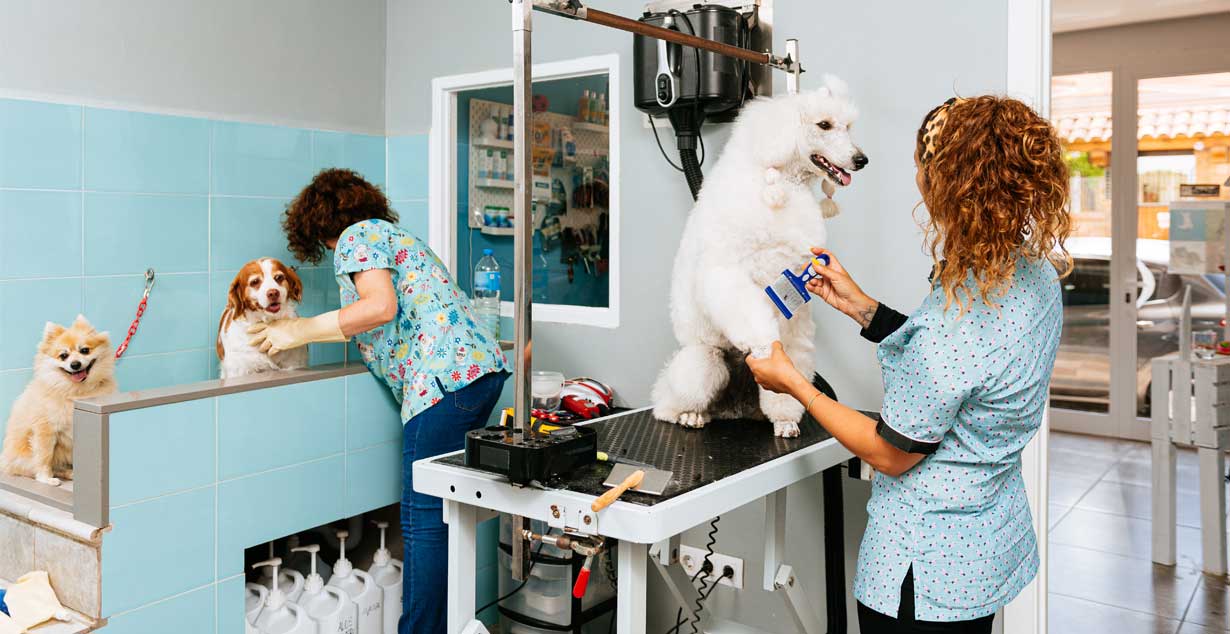
Pets are more than just animals—they are beloved members of our families. Whether you have a playful dog, a curious cat, or another furry companion, proper grooming plays a vital role in keeping them healthy, comfortable, and happy. While many pet owners think grooming is only about maintaining a clean appearance, it actually contributes significantly to a pet’s overall well-being.
What Is Pet Grooming?
Pet grooming involves a variety of hygiene and care practices designed to keep your pet looking and feeling their best. This includes brushing, bathing, nail trimming, ear cleaning, and maintaining a healthy coat. Regular grooming helps prevent common health issues and allows owners to spot potential problems early.
Benefits of Regular Pet Grooming
1. Promotes Healthy Skin and Coat
Brushing removes dirt, loose hair, and dead skin cells while distributing natural oils throughout the coat. This helps keep your pet’s fur shiny, smooth, and healthy. Regular grooming also reduces shedding and prevents painful matting.
2. Helps Detect Health Issues Early
During grooming sessions, pet owners can identify unusual lumps, skin irritations, parasites, or signs of infection. Early detection often leads to faster treatment and better outcomes for your pet.
3. Reduces Shedding and Allergens
Pets naturally shed fur, but routine brushing helps control excessive shedding. Removing loose hair can also reduce pet dander and allergens in your home, creating a cleaner environment for the whole family.
4. Prevents Nail Problems
Overgrown nails can cause discomfort, pain, and difficulty walking. Regular nail trimming helps maintain proper paw health and prevents injuries caused by broken or split nails.
5. Keeps Ears and Teeth Healthy
Cleaning your pet’s ears helps prevent infections caused by dirt and moisture buildup. Dental care is equally important, as poor oral hygiene can lead to bad breath, gum disease, and other health complications.
Grooming Tips for Pet Owners
- Brush your pet regularly based on their coat type.
- Use pet-friendly shampoos and grooming products.
- Check ears, eyes, and paws during each grooming session.
- Keep nails trimmed to a comfortable length.
- Reward your pet with treats and praise to make grooming a positive experience.
How Often Should You Groom Your Pet?
The frequency of grooming depends on your pet’s breed, coat type, and lifestyle. Long-haired pets generally require more frequent brushing than short-haired breeds. Bathing schedules can vary, but most pets benefit from regular grooming routines that fit their individual needs.
Creating a Positive Grooming Experience
Introducing grooming at an early age helps pets become comfortable with the process. Be patient, gentle, and consistent. Short, stress-free grooming sessions can build trust and make future grooming much easier.
Conclusion
Pet grooming is about much more than appearance. It supports your pet’s health, comfort, and quality of life while strengthening the bond between you and your furry friend. By establishing a regular grooming routine, you can help your pet stay clean, healthy, and happy for years to come.
A well-groomed pet is a healthier pet—and a happy companion for the entire family.